Every week people search for ready mix asphalt, expecting to find something like the concrete trucks they see around town. It is an understandable search, but it does not quite match how asphalt works. There is no asphalt version of a spinning drum truck mixing material on the way to your driveway.
What most people actually want is one of two things: hot mix asphalt for paving a driveway, parking lot or road, or a bagged cold patch for fixing a pothole. Knowing the difference saves money, time and a fair amount of frustration, so this is a plain explanation of each type, where it works and how to order the right one.
Where the Term Ready Mix Comes From
Ready mix is a concrete term. Ready-mixed concrete is batched at a plant and delivered in trucks with rotating drums that keep it mixed until it is poured. Concrete hardens through a chemical reaction with water, so it can travel to the site wet and be placed within a working window measured in hours.
Asphalt works differently. It is held together by asphalt binder, a sticky petroleum product that is stiff at normal temperatures and becomes workable when it is heated. Instead of a chemical reaction, asphalt depends on temperature to be spread and compacted, which is why the way it is made and delivered looks nothing like concrete.
Hot Mix Asphalt: What Professionals Pave With
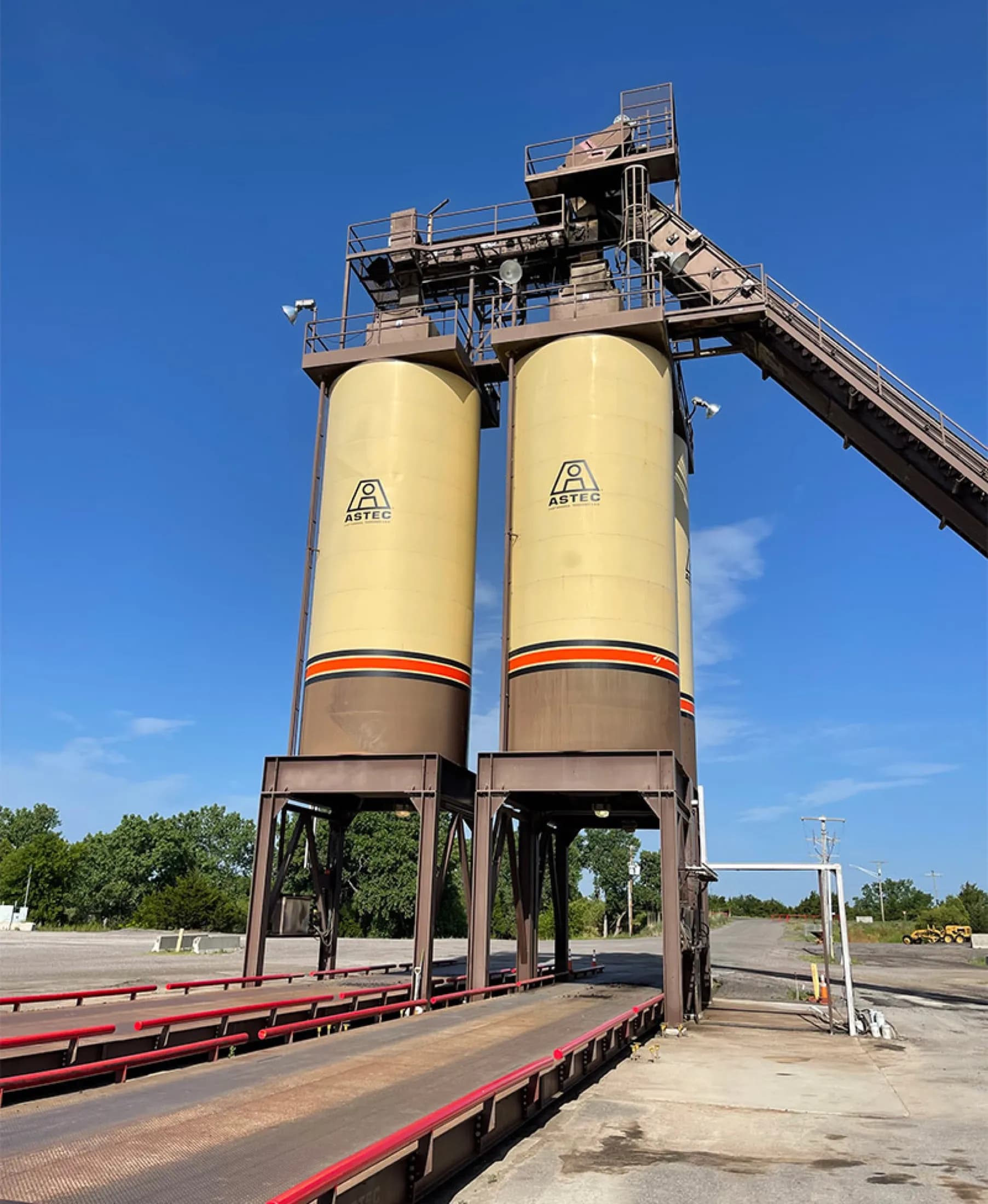
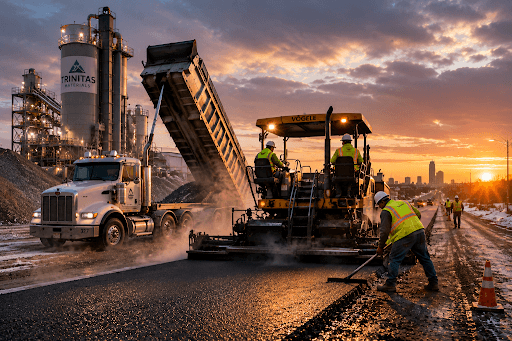
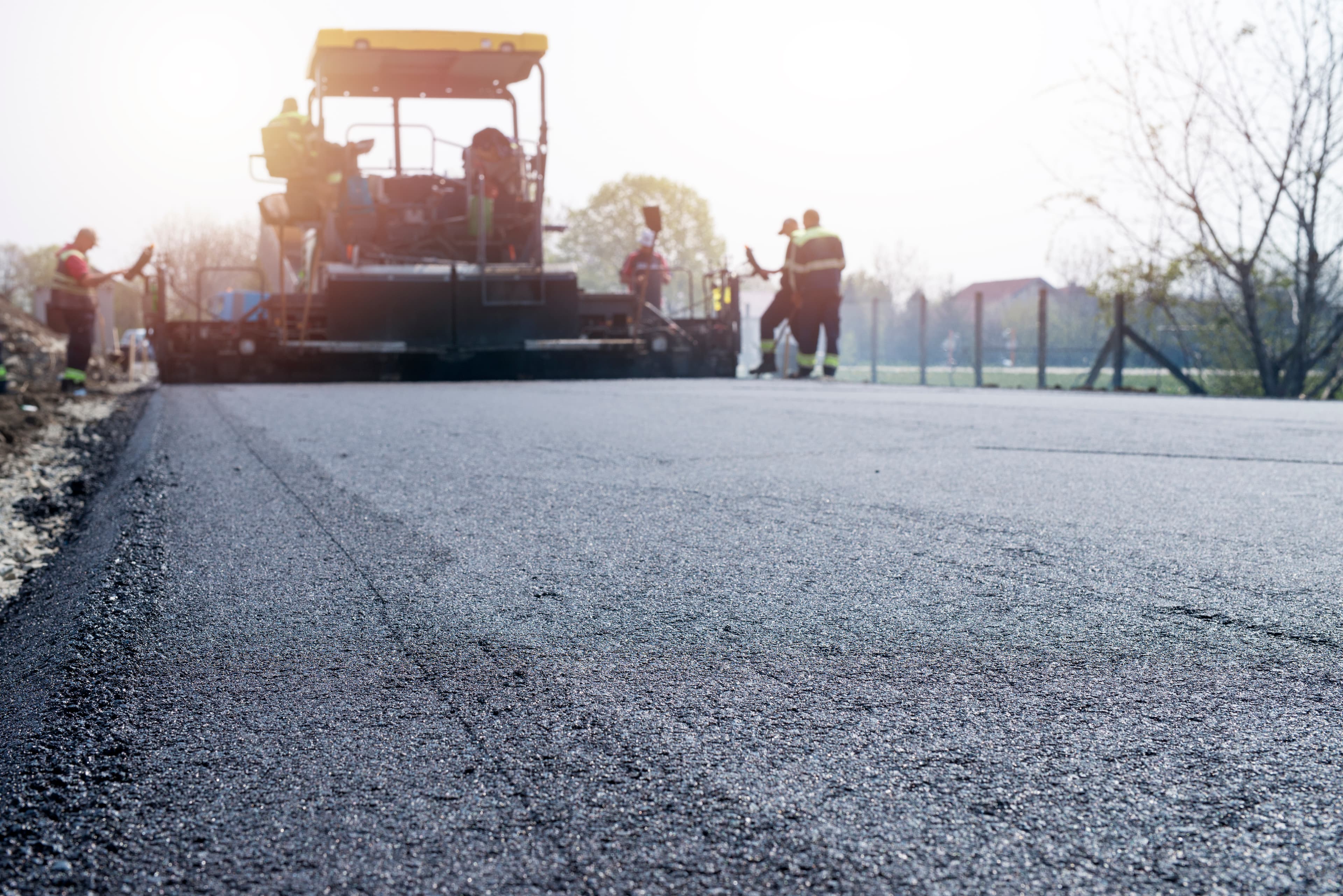
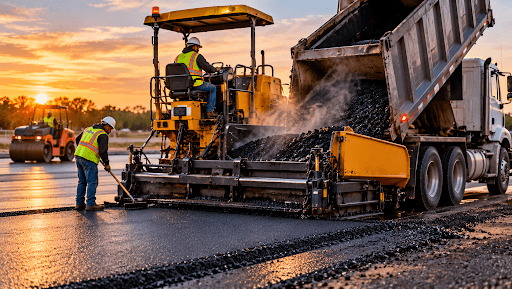
Hot mix asphalt is made at an asphalt plant, where aggregate is heated and dried and then coated with hot binder. It leaves the plant very hot and travels to the job in dump trucks, often under tarps to hold in the heat. The paving crew spreads it and compacts it with rollers before it cools, and once it cools it becomes the strong, flexible surface you drive on every day.
This is the material used for roads, highways, parking lots and quality driveways. Because it depends on heat, timing is everything. Loads are scheduled to arrive as the crew is ready for them, and the distance between the plant and the job affects how much working time the crew has, which is one reason a nearby plant makes a real difference to quality. Our hot mix asphalt and aggregate products are produced for contractors and projects across the Oklahoma City area.
Warm Mix Asphalt: The Newer Middle Ground
Warm mix asphalt is made with technologies that lower the temperatures needed to mix and compact the material. It is far from a niche product. The National Asphalt Pavement Association reports that nearly 40 percent of the asphalt mixture produced in the U.S. in 2018 was made with warm mix technologies, most of it using a plant foaming process that injects a small amount of water into the mix.
For buyers, warm mix behaves much like hot mix. It is still made at a plant and delivered hot enough to pave, but the lower temperatures can reduce energy use and give crews a little more flexibility in cooler weather. Whether a job uses it depends on the project specification and what the plant offers.
Cold Mix: The Bag in the Hardware Store
Cold mix, often sold as cold patch, is asphalt that can be placed without heating. It comes in bags or buckets at home improvement stores and in bulk from some suppliers, and it is made for small repairs, especially potholes that need attention in winter when hot mix is harder to get.
Cold patch is useful, but it is a temporary fix. It does not bond or compact the way hot mix does, so it tends to loosen and wear out faster, particularly under heavy traffic. Many crews use it to make a road safe until warmer weather allows a permanent hot mix repair.
Which One Do You Actually Need?
If you are paving something new, resurfacing a worn surface or making a large, permanent repair, you need hot mix asphalt from a plant, placed by a paving contractor with the right equipment. That holds true for driveways, parking lots and roads alike. A homeowner with a single pothole in January is the classic case for a bag of cold patch as a stopgap.
The middle ground is where people get stuck. Larger patches and trench repairs should generally be done with hot mix, even if that means waiting for the right conditions. Doing the repair right once costs less than patching the same spot three times. For commercial properties, the question is usually less about cold patch and more about how much of the surface needs work, and a contractor can tell you whether targeted hot mix patches will do or whether the lot is ready for an overlay.
How to Order the Right Material
When you contact an asphalt supplier, share what the project is, the size of the area and the planned thickness, and the supplier or your contractor can convert that into the tons you need. Ask which mix designs are available and which one suits your use, since a parking lot, a driveway and a highway call for different mixes.
Scheduling matters just as much as the order itself. Loads should be timed to the paving crew's pace so the material arrives hot and goes straight down. Late in the year it also helps to ask about the plant's schedule, since production slows as temperatures drop and loads need to be booked further ahead. If you would like help choosing the right mix or planning tonnage, contact our team and we will walk through your project with you.
Frequently Asked Questions
Can a homeowner buy hot mix asphalt directly?
Some plants sell to the public, but most hot mix is bought and placed by paving contractors, because it has to be laid and compacted quickly with heavy equipment. If you are planning a driveway, the simplest route is usually to hire a paving contractor who orders the material for you. It never hurts to ask a plant what it offers.
How long does hot mix asphalt stay workable?
Not long, which is why delivery and paving are timed together. Hot mix has to be placed and compacted while it is still hot, and cool air, wind and thin layers all shorten the window. It is a same-day material that cannot be stored and reheated later.
Is cold patch a permanent repair?
No. Cold patch is designed for temporary repairs and usually needs to be replaced with hot mix when conditions allow. It is great for making a pothole safe in winter, but it will not hold up as long as a proper hot mix repair.
Is concrete or asphalt better for a driveway?
Both work well, and each has trade-offs. Concrete tends to last a long time with little maintenance, while asphalt is flexible, copes well with freeze and thaw cycles and is quicker to repair and resurface. The right choice depends on your budget, how the driveway will be used and your own preference.
What is the difference between hot mix and warm mix?
The main difference is temperature. Warm mix uses additives or processes that allow it to be produced and compacted at lower temperatures than traditional hot mix. On the job site, the two are placed in much the same way.

Trinitas Materials
Hot-mix asphalt & aggregates, Oklahoma City