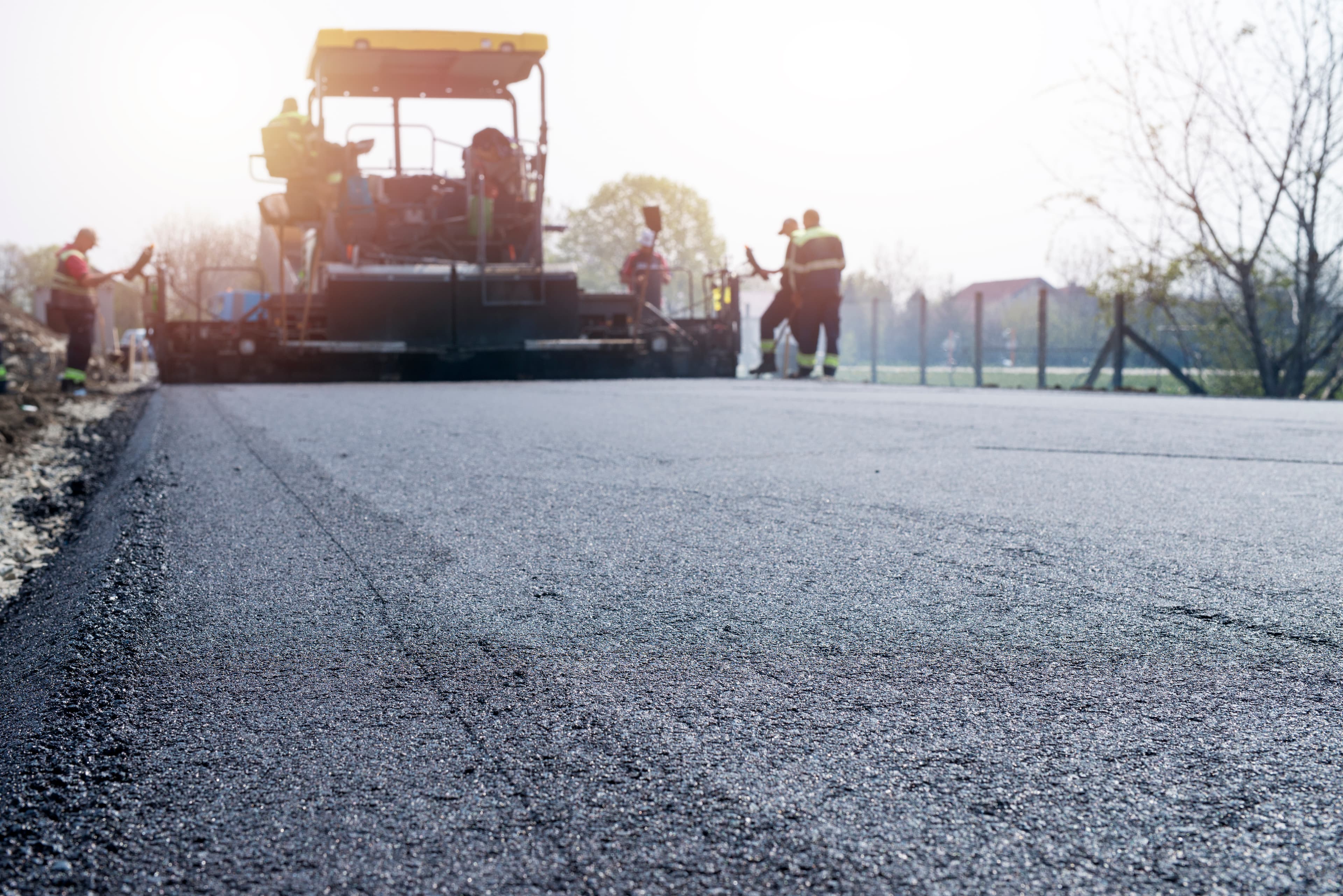
Two crews pave two parking lots the same month with what the paperwork says is the same mix. Five years later one surface is tight and sound, and the other is raveling, cracking and patched. Same spec, same town, very different outcomes, and everyone involved blames someone else.
The uncomfortable truth is that a mix design on paper and the mix that arrives behind your paver are not automatically the same thing. Here is what actually determines hot mix asphalt quality, and what to ask before your next tonnage order.
What Asphalt Actually Is, in One Paragraph
Hot mix asphalt is about ninety five percent aggregate, the rock and sand skeleton, held together by asphalt binder, with a carefully controlled amount of air in the compacted result. Industry references from the National Asphalt Pavement Association describe mix design as balancing exactly those things: the gradation of the stone, the binder content and grade, and the air voids. Get the balance right and pavement lasts decades. Push any element off target and it fails early, each in its own recognizable way.
Quality Starts in the Stockpile
Aggregate is where quality is won or lost first. The stone has to be hard, clean, properly crushed and consistently graded, because the skeleton carries the traffic; the binder just holds the skeleton together. Dusty, dirty or inconsistent aggregate weakens the bond between stone and binder, and a gradation that drifts from the design changes how the mix compacts and performs.
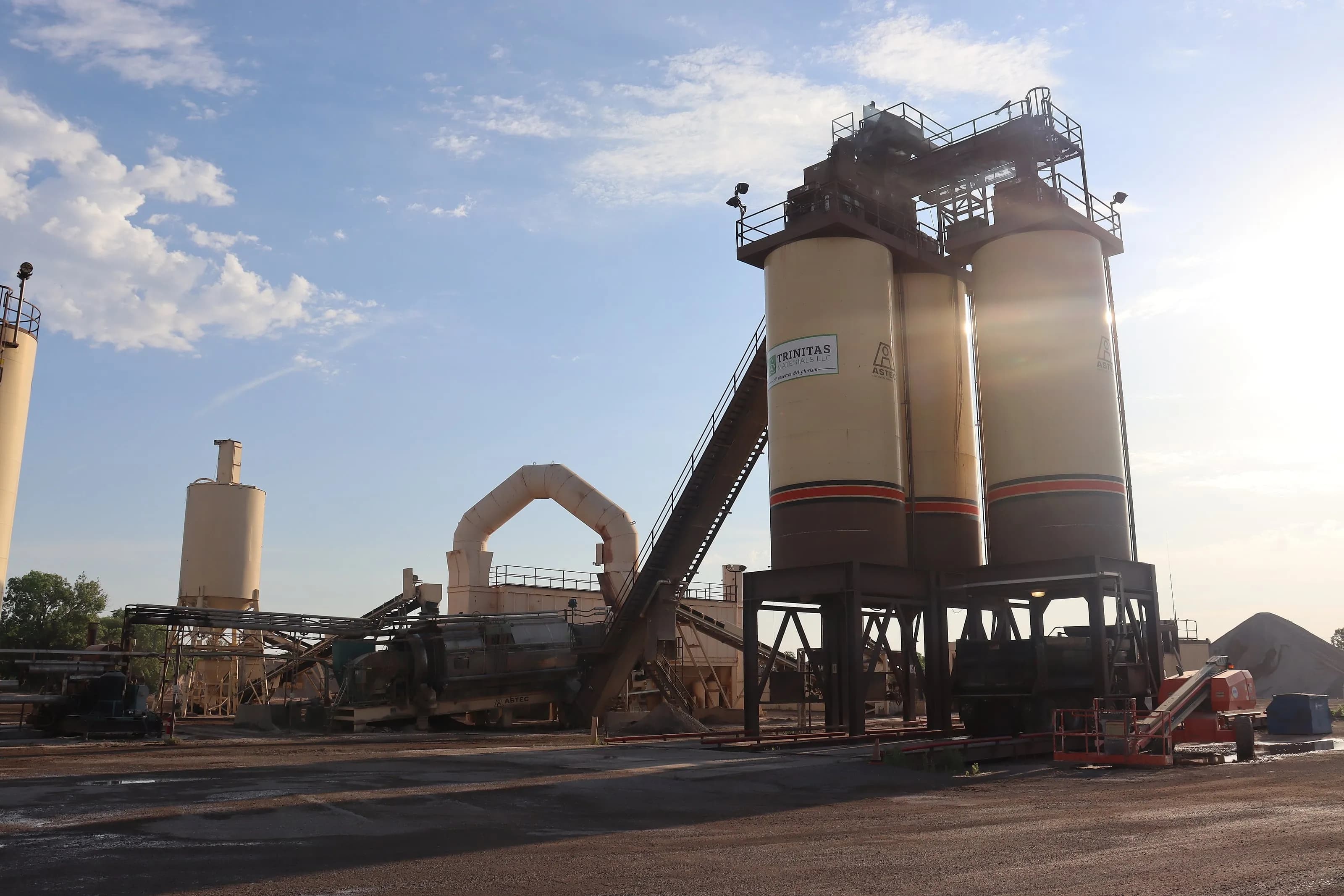
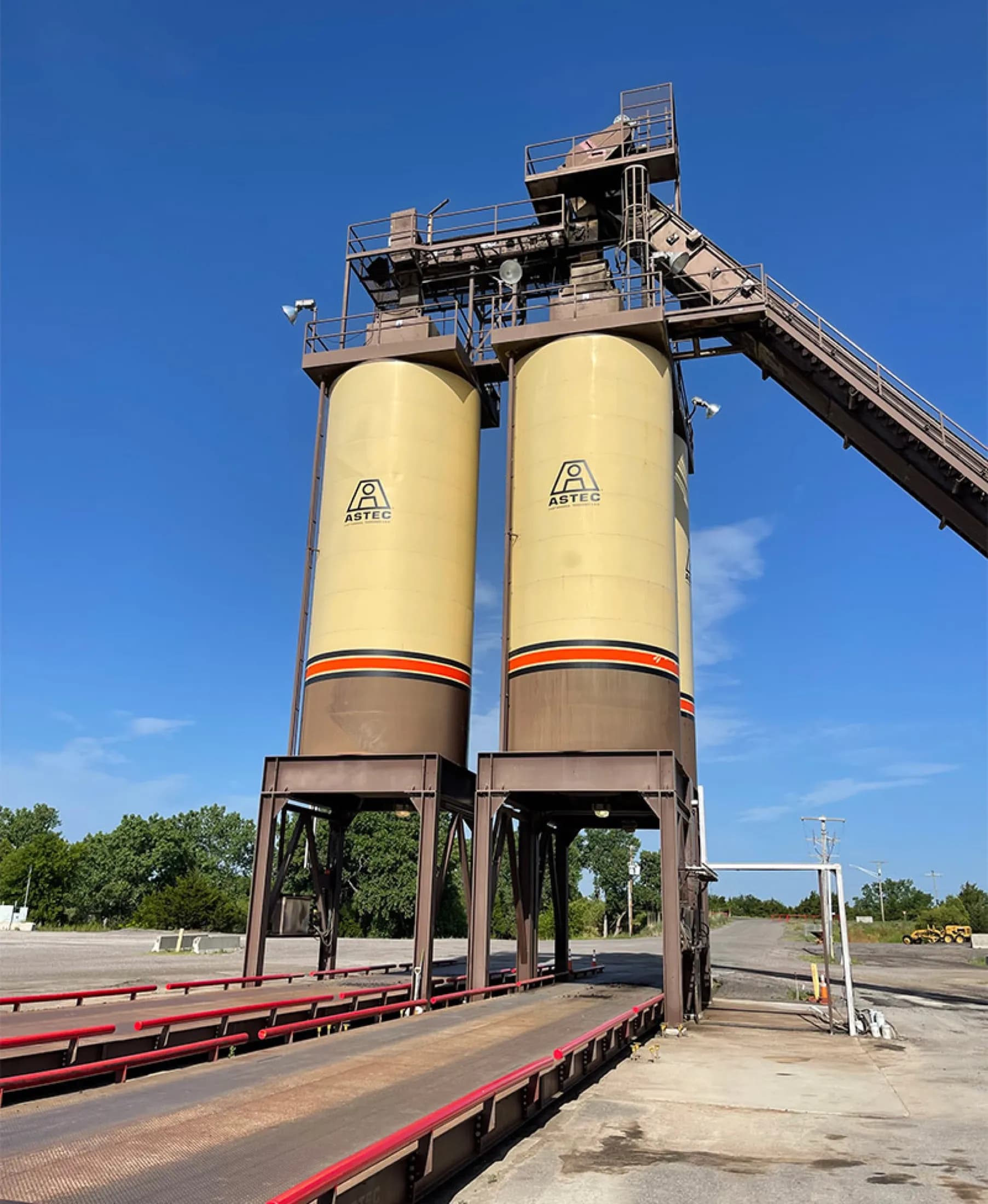
This is why who runs the plant matters. A disciplined operation manages its stockpiles, tests its gradations and rejects material that does not belong in the mix. A careless one feeds the drum with whatever is in the pile that morning, and the paperwork looks identical either way. It is also why we put our products and aggregate under one roof, so the stone going into our mix is stone we control.
Temperature Discipline at the Plant
Mix leaves the plant around three hundred degrees, and both directions of error hurt. Run it too hot and the binder ages prematurely, costing years of pavement life before the first tire touches it. Run it cool and it will not compact properly on the ground. Consistency load to load is the mark of a well-run plant, and it is invisible on an invoice.
The Haul Is Part of the Recipe
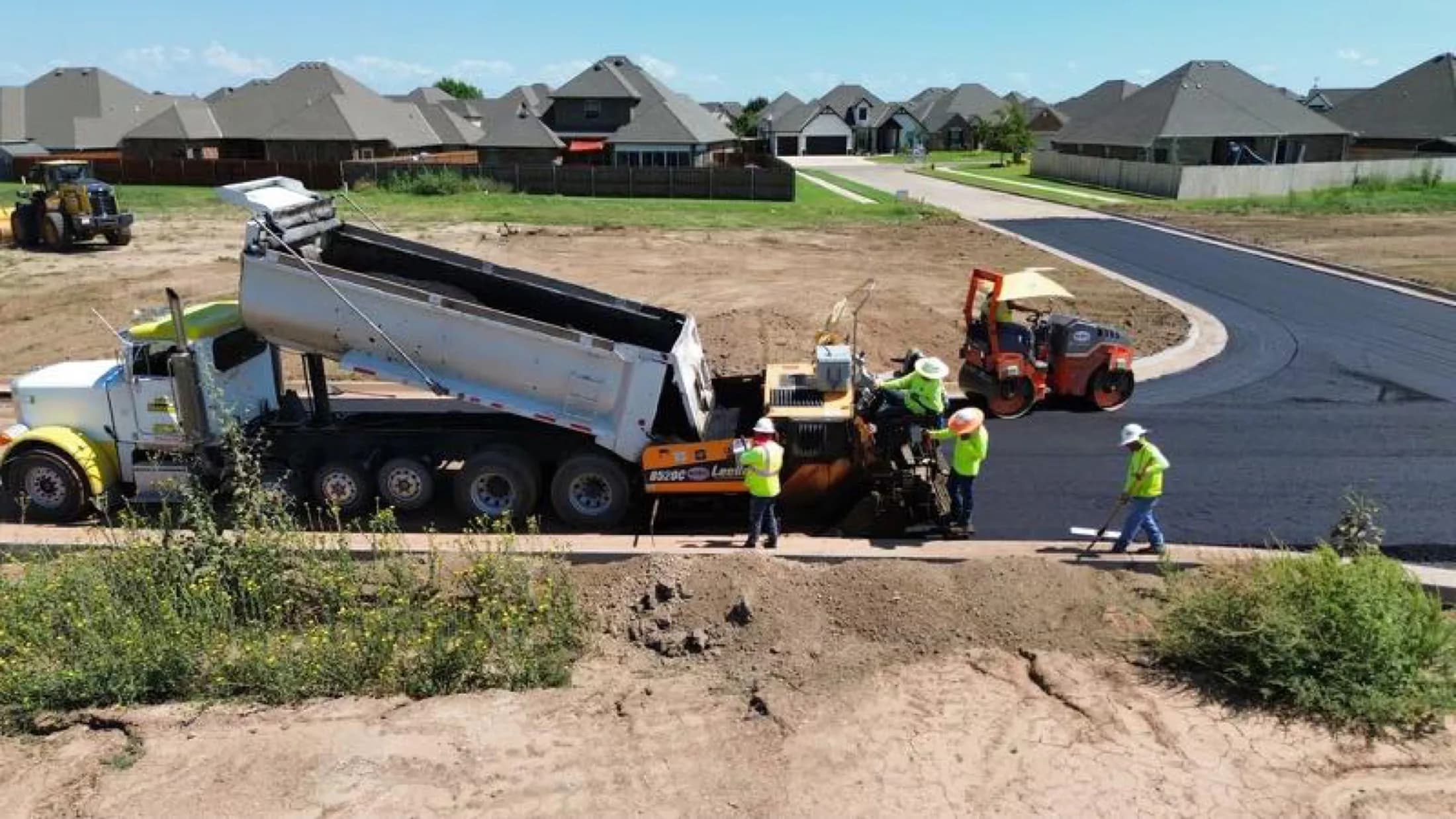
Every mile and every minute between plant and paver costs temperature. Long hauls, uncovered loads and traffic delays deliver mix at the bottom of its workable range, and on cool days, below it. Plant proximity is not a convenience. For temperature-critical material, it is a quality specification, and it is a real advantage of buying from a plant close to your project rather than trucking mix across the metro.
Segregation rides along on the same trip: coarse stone separating from fine material during loading, hauling and dumping produces patches of open, stone-rich mat that let water in and fail years early. Good loading practice at the plant and good handling at the paver keep the load uniform, which is why experienced plants and experienced crews quietly make each other look good.
What to Ask Your Supplier
You do not need a materials degree to buy well. Ask where the aggregate comes from and how gradation is controlled. Ask what mix designs they run and whether the mix meets recognized specifications for your use. Ask about typical load-out temperatures and how they schedule loads to match the paving crew’s pace, because mix that waits is mix that cools. A supplier who answers those questions specifically is telling you how your pavement will look in ten years.
None of this shows up on day one, because a segregated, cooled or poorly compacted mat looks black and new like any other. The difference appears in year three, which is why the cheapest ton and the best value ton are so often different numbers. Learn more about us, or get in touch about your next project’s tonnage, and ask us every question on this page.
Frequently Asked Questions
Why did my new asphalt start cracking early?
Early failure usually traces to one of a few causes: a weak or wet base under the pavement, mix placed too cool to compact fully, binder aged by overheating, or simply the wrong mix for the traffic. Surface symptoms get the blame, but the cause is almost always upstream, in the base, the temperature or the mix itself.
What temperature should hot mix arrive at?
Typical delivery temperatures sit roughly in the two-fifties to three hundred degree range depending on mix type, and what matters most is arriving with enough heat left for full compaction in that day’s conditions. Cool weather, wind and thin lifts all raise the bar. If loads consistently arrive marginal, the haul is too long or the scheduling is off.
Is all hot mix asphalt the same?
Not remotely. Mixes differ in stone size, gradation, binder grade and design intent: highway surface mixes, base mixes, commercial parking lot mixes and specialty mixes are engineered for different loads and conditions. Using the wrong mix is a quality problem no crew can pave their way out of, so matching mix to use is step one.
Can asphalt be reheated or used the next day?
No. Once hot mix cools past its workable range it cannot be usefully reheated in the field, and material held too long is lost. That is why plant scheduling matters: loads are timed to the paver so the mix is placed within its temperature window, not stockpiled and hoped over.
Does it matter how close the asphalt plant is to my project?
More than almost any other logistics factor. Short hauls deliver hotter, more uniform mix with less segregation and less schedule risk, and they make tight paving windows achievable in cool weather. For Oklahoma City projects, a nearby plant is a genuine quality and scheduling advantage, not just a fuel saving.

Trinitas Materials
Hot-mix asphalt & aggregates, Oklahoma City