Every fall, the same question starts arriving from contractors and property owners across the metro: how late in the year can we still pave? And every fall the honest answer is the same. Nobody knows the date, because the weather picks it, not the calendar.
What we can explain is how the season actually works from the supply side, because understanding what an asphalt plant can and cannot do in cold weather is the difference between finishing your project this year and discovering in December that the year finished without you.
Why Hot Mix Has a Season at All
Hot mix asphalt is manufactured at roughly three hundred degrees, and it is a race from the moment it leaves the plant. It cools in the truck, cools faster when it hits the ground, and everything that determines pavement quality, especially compaction, has to happen before it cools too far. Technical guidance from the Asphalt Institute treats temperature as the controlling factor in placement for exactly this reason.
Cold air, cold ground and wind all shorten that window. On a seventy degree October day, a crew has comfortable time to place and roll a load properly. On a forty degree December morning, especially on a thin lift, the mix can drop below workable temperature before compaction is complete, and the pavement that results is permanently weaker. It fails early, and it fails in ways that look like bad workmanship but were really bad timing.
What Plant Season Looks Like From Our Side
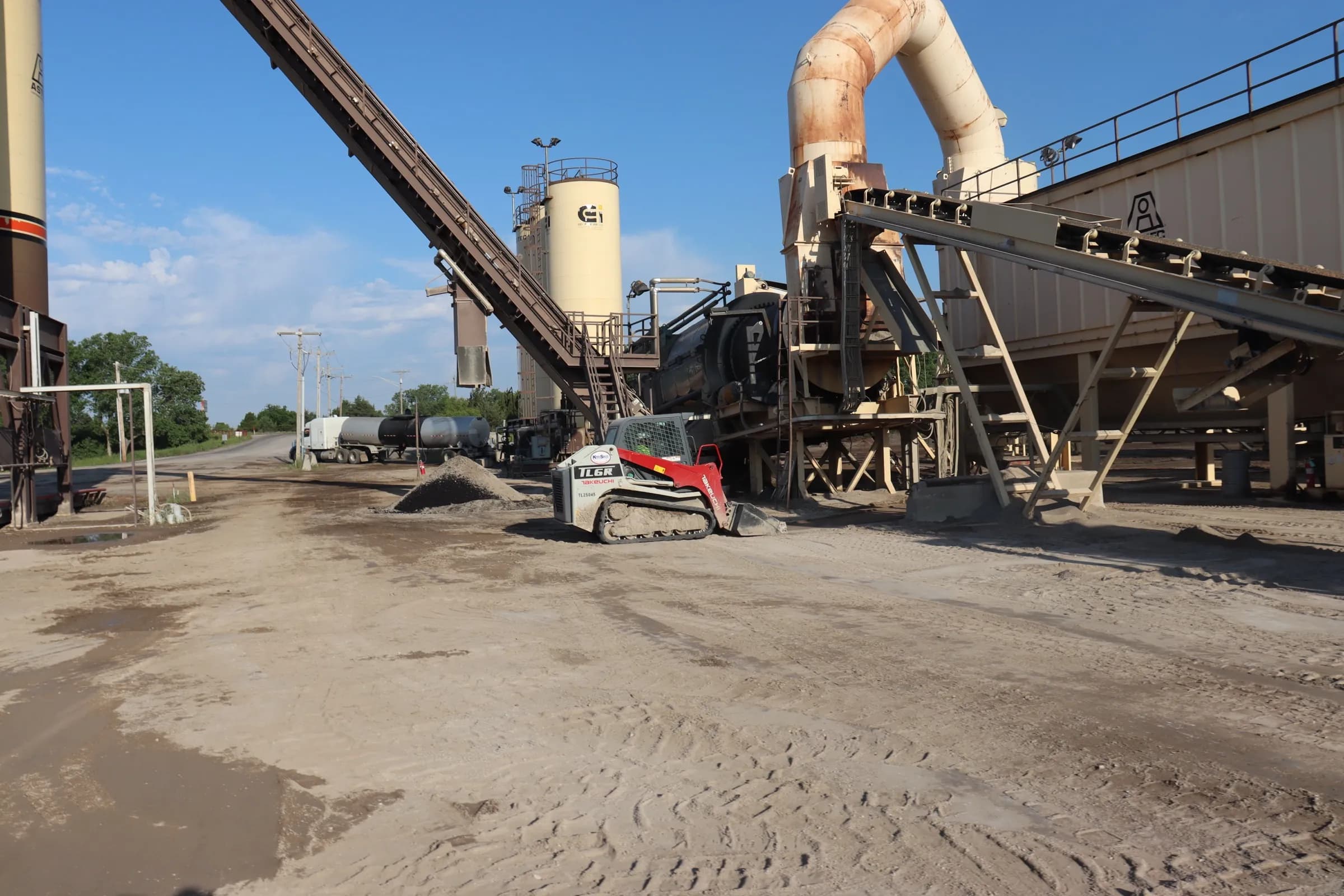
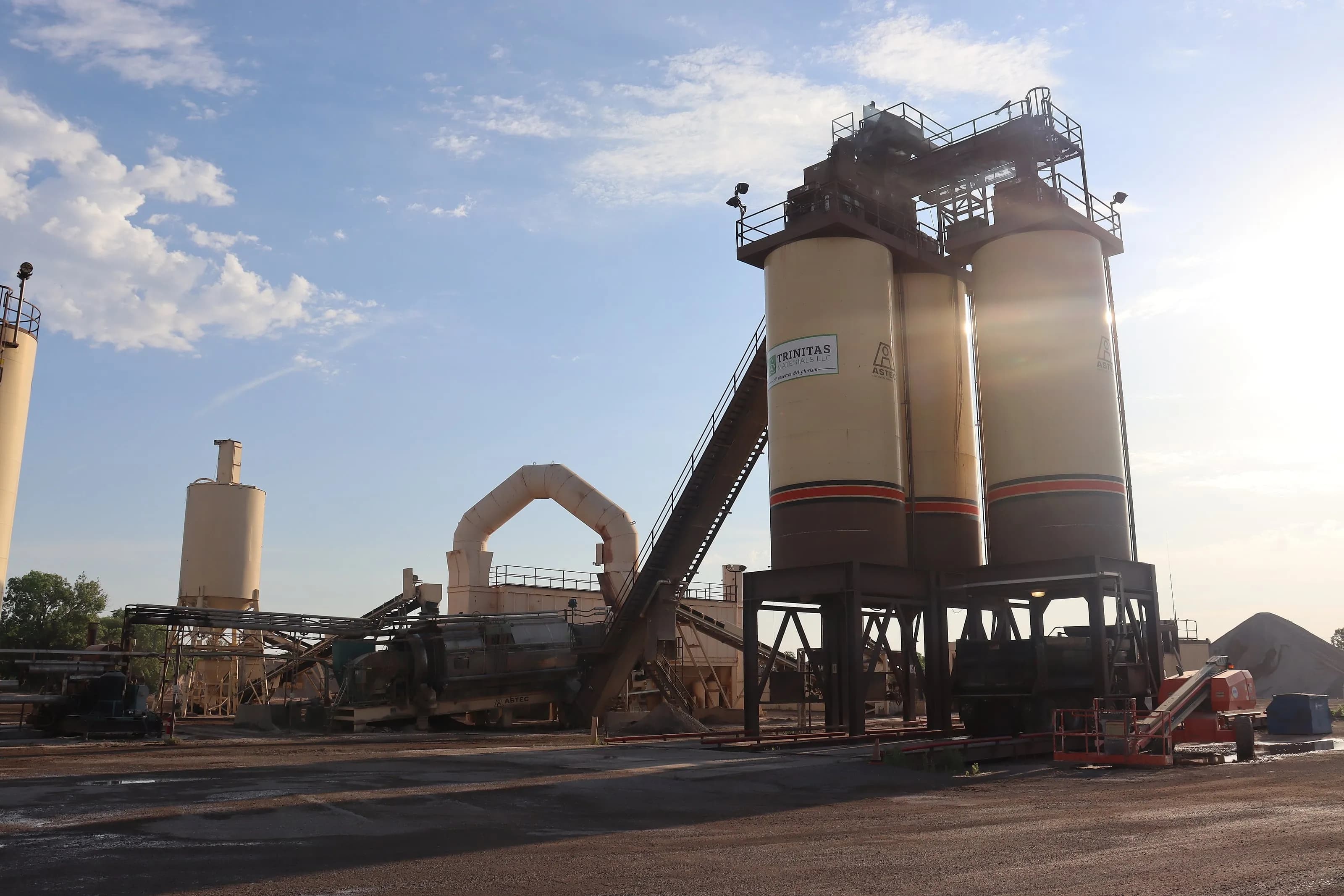
A plant produces to demand, and demand follows the weather. Through fall, production runs strong. As sustained cold moves in, paving work thins out, and plants across the region begin scaling back, running reduced schedules and eventually pausing full production until spring temperatures hold. In Oklahoma that wind-down often lands in late November or December, but it varies year to year, and a warm stretch can extend the season just as an early cold front can end it.
For anyone planning a project, the practical takeaway is this: late in the season, mix availability becomes a scheduling question, not a given. The projects that get their tonnage are the ones that coordinated with their supplier early, locked their dates, and stayed flexible enough to move when a good weather window opened.
Late-Season Jobs That Work, and Ones That Do Not
Not all cold-weather paving is equal. Thicker lifts hold their heat longer and tolerate marginal days far better than thin surface courses, which cool in minutes. Short hauls beat long ones, because every minute in the truck costs temperature. Sheltered, sunny sites beat windy exposed ones. And modern warm mix technologies, which allow production and compaction at somewhat lower temperatures, can stretch the season when the job and the spec suit them.
What does not work is pretending. Paving a thin overlay in genuinely cold conditions produces asphalt that goes down, looks fine, and quietly fails within a couple of seasons. A supplier or contractor who tells you no on a marginal December day is protecting your pavement, not their convenience.
How to Plan Around the Season
If your project needs to finish this year, act now: get your contractor scheduled, confirm mix availability with the plant, and build in a weather contingency rather than a fixed date. If the project can wait, use winter for what winter is good at, design, permitting and budgeting, and be first in line when plants come back up in spring. The mix you order in the first warm weeks is made by a plant with a full season ahead of it, not one racing a cold front.
Either way, talk to your supplier early. Our hot mix asphalt and aggregate products feed projects across the Oklahoma City metro through the whole season, and we would rather help you plan tonnage in October than apologize about temperatures in December.
The Bottom Line for Your Project
The season ends on the weather’s schedule, so the safe assumption is simple: if it must pave this year, schedule it now; if it can wait, plan it properly and pave early in spring. The expensive mistake is the middle path, waiting to decide until the first hard freeze decides for you.
Contact us about late-season availability or spring scheduling, and we will give you a straight answer about what the calendar and the forecast realistically allow.
Frequently Asked Questions
Is there an exact date asphalt plants close for winter?
No. Plants scale down as sustained cold arrives and paving demand drops, which in Oklahoma often means late November or December, and they return when spring temperatures hold. The date moves every year with the weather, which is exactly why late-season projects should confirm supply early instead of assuming it.
Can you get hot mix asphalt in winter at all?
In a limited way. Some plants run intermittently for suitable projects during warm spells, and cold patch material exists for emergency repairs, though it is a temporary fix rather than a pavement. A project that genuinely must pave in winter needs early coordination between the contractor and the plant, and honest expectations about conditions.
What is warm mix asphalt, and does it extend the season?
Warm mix technologies let asphalt be produced and compacted at lower temperatures than traditional hot mix, which can add working time on cool days and stretch the shoulder season. It is a real tool, widely used, and still not magic: ground temperature and lift thickness limits apply, and the project spec has to allow it.
What temperature is too cold for paving?
As a rule of thumb, quality gets hard to protect once air and surface temperatures sit in the low forties or below, and thin lifts are the first casualty because they cool fastest. Mix type, haul distance and wind all move the line. Trust the crew and the supplier watching the thermometer over anyone watching only the calendar.
How do I schedule tonnage for a late-season project?
Call the plant early with your quantities, mix requirements and target window, and stay reachable. Late season is managed week to week around forecasts, and the projects that finish are the flexible ones that can move up a day when the window opens. Confirming supply the week you need it is a gamble; confirming it a month out is a plan.

Trinitas Materials
Hot-mix asphalt & aggregates, Oklahoma City