How do You Make Asphalt?


If you're looking to make your own asphalt, you'll need a few key ingredients. First, you'll need a supply of aggregates. In Oklahoma City, you can find a variety of aggregate suppliers to choose from. Second, you'll need some asphalt cement. This is the glue that holds everything together and gives asphalt its strength. Finally, you'll need some fine particles to fill in any gaps and create a smooth surface. With these three things, you're well on your way to making your own asphalt!
Materials needed for Asphalt
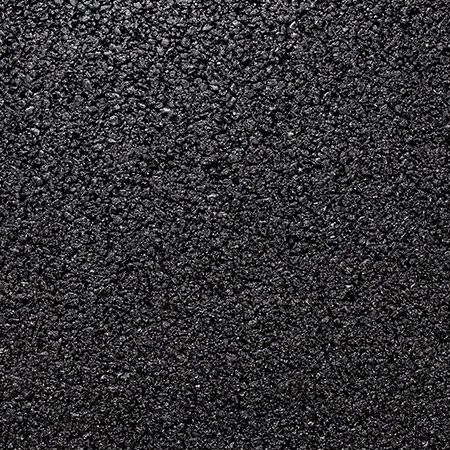
Asphalt is made up of a variety of materials, including aggregate (crushed stone, gravel, and sand), a binder (usually bitumen), and filler (such as limestone dust). To make asphalt, these materials are mixed and then heated to create a strong, solid material that is used for a variety of construction projects.
The Asphalt Manufacturing Process
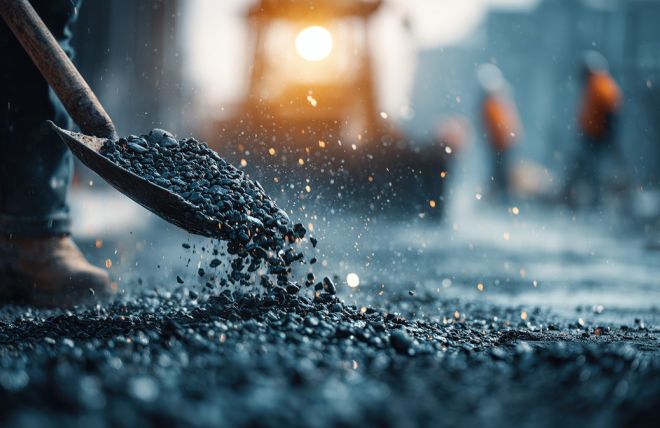
Asphalt is produced through the process of distilling petroleum. This process removes impurities from the petroleum, leaving only a sticky, black substance that can be used for a variety of construction projects. To create asphalt, this substance is combined with aggregate, which is a combination of crushed rocks and sand. The process of manufacturing asphalt begins with the distilling of petroleum. This process removes impurities from the petroleum, leaving only a sticky, black substance that can be used for a variety of construction projects. To create asphalt, this substance is combined with aggregate, which is a combination of crushed rocks and sand. The asphalt and aggregate are mixed together and then heated to create what is known as hot mix asphalt. This hot mix asphalt is then used to pave roads and surfaces.
The Benefits of Asphalt
Asphalt is a black, sticky substance that is derived from crude oil. It is used to pave roads, driveways, and parking lots. Asphalt is also used in roofing, shingles, and as a sealant. Asphalt has a number of benefits over other pavement materials: -It is less expensive than concrete. -It can be repaired more easily than concrete. -It has a shorter construction time than concrete. In addition, asphalt pavement lasts longer than concrete and can withstand more wear and tear.
The Different Types of Asphalt
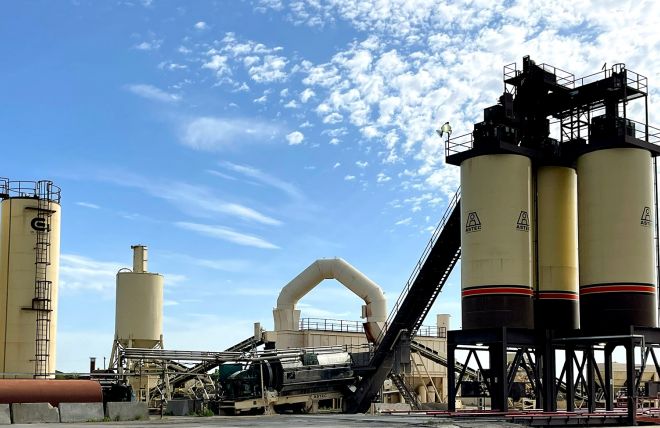
Asphalt pavement is a mix of coarse aggregate stone, sand, fine mineral particles and asphalt binder. Asphalt binder is a product of crude oil refinement. The asphalt binder is mixed with the aggregate at an asphalt plant where the mixture is heated and dried before being shipped to an asphalt paving site. There are three types of asphalt: - Hot Mix Asphalt (HMA) - Warm Mix Asphalt (WMA) - Cold Mix Asphalt (CMA) Hot Mix Asphalt is the most common type used for pavements and is also referred to as blacktop or bitumen. It consists of aggregate that has been heated then mixed with liquid asphalt binder at a temperature between 300F - 350F. The mixture is then placed and compacted while still hot. HMA pavements are generally placed in layers thicknesses ranging from 2 inches to 4 inches. Warm Mix Asphalt uses additives that allow HMA to be placed at lower temperatures than traditional HMA paving mixtures. This enables longer working seasons and can reduce energy consumption during mixing and compaction by up to 50 percent when compared to traditional HMA. WMA pavements can generally be placed in thicknesses ranging from 2 inches to 4 inches, although some mixes allow for thinner pavement sections. Cold Mix Asphalt uses either emulsified or cutback asphalts as a binder mixed with either virgin or recycled aggregates at ambient temperature. CMA is generally used for temporary paving or patching purposes and not for continuous pavements because of its poor long-term durability characteristics when compared to hot mix or warm mix asphaltic concrete pavements.
The History of Asphalt
Asphalt is a sticky, black, and highly viscous liquid or semisolid form of petroleum. It may be found in natural deposits or may be a refined product; it is a substance classed as a pitch. Before the 20th century, the term asphaltum was also used. The word is derived from the Ancient Greek ἄσφαλτος ásphaltos. The primary use (70%) of asphalt is in road construction, where it is used as the glue or binder mixed with aggregate particles to create asphalt concrete. Its other main uses are for bituminous waterproofing products, including production of roofing felt and for sealing flat roofs. The terms "asphalt" and "bitumen" are often used interchangeably to mean both natural and manufactured forms of the substance. In American English, "asphalt" (or "asphalt cement") refers to the more viscous form, which is also known as "blacktop" or "hot mix". In Canadian English, the word "bitumen" is used more often than "asphalt".
Asphalt in the modern world
In the modern world, asphalt is one of the most widely used substances for construction and repair. It is made from a mixture of aggregates, including gravel, sand and stone dust, which are bound together with bitumen. Asphalt can be used to pave roads, driveways, parking lots and playgrounds. It is also a popular choice for roofing and waterproofing.
The Future of Asphalt
While environmental concerns have in the past led to a decline in the popularity of asphalt, new technologies are making this construction material more sustainable. Asphalt is a mixture of aggregate—such as sand, gravel, or crushed stone—and bitumen, a black, sticky substance that acts as a binder. It is mainly used for paving roads and other surfaces. If you’ve ever driven on an asphalt highway, you know how smooth and durable this material can be. Environmental concerns about the production of asphalt led to a decline in its use in the second half of the 20th century. Asphalt is a petroleum product, and its production releases greenhouse gases and other pollutants. But new technologies are making asphalt more sustainable. For example, warm-mix asphalt (WMA) is produced at lower temperatures than traditional hot-mix asphalt (HMA). This reduces energy consumption and emissions during production. In addition, WMA can be used in a wider range of applications than HMA, such as paving roads in cold weather or placing asphalt over existing pavement without milling it first. WMA is also less likely to cause rutting—the formation of tire tracks that remain after the tire passes—in pavements. Because of these advantages, WMA is being used more often around the world. In the United States, the use of WMA rose from 1 percent of HMA projects in 2009 to 27 percent in 2016, according to the Federal Highway Administration (FHWA). The FHWA expects WMA’s share of new HMA pavements to continue rising due to its environmental benefits and other advantages.